Enquiries received before 3pm on a working day are contacted the same day; after 3pm, the next working day. Contact, not a quotation. Telephone
Start a project brief
A commercial gym under a steel portal frame roof lined with closed-cell spray foam, with cardio machines along the windows, a turf lane and free weights below.

Building type

Commercial gym roof insulation with spray foam: a warm, dry roof over a busy floor.

Drips over the weights, cold mornings or a roof that lets the heat straight out? We install closed-cell spray foam for commercial gyms and fitness centres, stopping roof condensation and helping the building hold its heat.

  • No obligation virtual and site surveys available.
  • Rated 4.8 out of 5. Over 500 installs.
  • Backed by a 25 year product and workmanship warranty.
Same-day estimator

About a minute · no obligation

Step 1 of 4: your building.

Which building is it?

Sports hall is pre-selected. Change it if yours is different.

Takes about 30 seconds. No contact details yet.

Recent projects

A gym roof sealed from beneath.

Installation footage from a HOLVEM gym project, the roof sprayed from below in continuous passes.

Project record Gym roof
Gym roof insulated from beneathClosed cell over the hall; equipment cleared bay by bay.
Project record Coating over finished foam
Protective coating over foamA protective coating going on over finished foam, on a HOLVEM project.
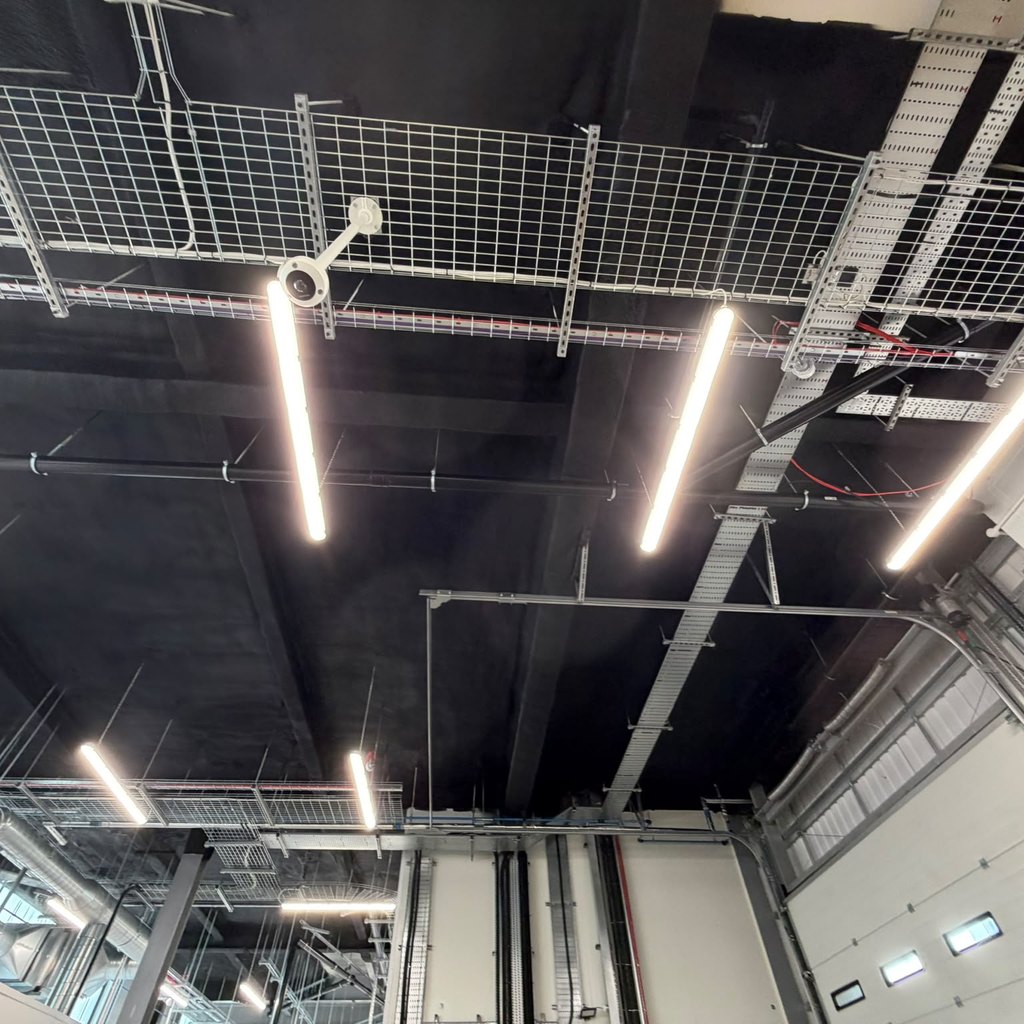
After: the Bostik Idenden ET-150 vapour control coating in black over the foam, above mesh cable tray and strip lights, a roller door at the right.
Project record After: Bostik black coat on
Bostik Idenden ET-150 vapour control coatIn black over the foam on a deck soffit, above cable tray and strip lights.
A depth gauge pushed into the cured closed-cell layer on the underside of the deck.
Project record Checked: depth gauge
Depth checked in the cured layerA depth gauge pushed into the cured closed-cell layer on the underside of the deck.
Tap any tile to see it full size. Press play to watch a clip.All project records

Why spray foam

What changes over the training floor.

Four things members notice on the gym floor, from the first early session after we finish.

  • No drips over the weights

    Closed-cell foam stops roof condensation, so flooring and equipment stay dry through every class.

  • A warmer floor at opening

    Less heat lost through the roof, with the depth set to your objective.

  • Fire performance, as tested

    Class 1 to BS 476-7 uncoated. B-s2,d0 when NexSeal LE is coated with DC315.

  • Planned around the booking board

    Phased or out of hours around classes and peak sessions, agreed before we start.

Get my estimate Send photographs

About a minute. No obligation. No contact details until the last step.

01 The problem

The workout warms the air. The roof is still cold.

A busy class puts warmth and moisture into the air. When that air reaches a cold roof, water forms on the underside and drips onto flooring and equipment. Gym roof insulation tackles the cold surface; ventilation still needs to clear the moisture.

Inside a commercial gym: condensation forming on the bare profiled steel roof and dripping towards the weights and the training floor below.
The roof Below the dew point

The roof · Below the dew point

  • A cold roof sheetThe thin roof loses heat, leaving a cold surface above the training floor.
  • Warm, moist air risingPeople exercising add moisture to the air. On the cold roof underside, it turns into droplets.
  • Gaps around the structureRoof junctions and awkward profiles leave breaks in the insulated line, letting useful heat escape.

What it costs the working day

  • Opening up:a cold floor to warm before members arrive.
  • Classes:drips to manage over training areas and equipment.
  • Heating:warmth lost through the roof while you pay to replace it.
Condensation, or a roof leak? Run the differential Three observations, about thirty seconds.

So what is the solution?

02 · THE SOLUTION

02 The solution

Stop the drips. Keep useful heat above the training floor.

Commercial gym roof insulation starts with the construction you have. Closed-cell foam is sprayed onto the prepared underside, following the sheet profile and the junctions around the structure. It stops roof condensation and reduces heat loss, while the gym keeps the ventilation it needs.

Two states. Switch between them.

OUTSIDE · THE WEATHERINSIDE · THE TRAINING FLOOR

COLD, DRIPPING ROOF Section, schematic, not to scale.

Cold face · below the dew point The dew point · water forms Above the dew point · dry

What it does for this building

What the layer does on this building.

  • One bonded layer follows the roof profile and closes awkward gaps.
  • The insulated underside stops condensation forming on the cold sheet.
  • The depth is set for the roof and the objective, confirmed before we spray.

Spray foam roof insulation stops condensation and heat loss; it does not repair leaks. We check the sheet and its condition before agreeing the work. If your building is mainly courts and fixtures, see sports hall insulation.

The build-up in sequence, step by step

03Working around the gym

Plan the roof work around the booking board.

Once the roof is specified, access becomes the next decision. Classes, equipment and opening hours all shape the programme. We agree which areas close, what needs protecting and when each area can safely return to use.

  1. Agree the floor zones and hours Tell us about classes, peak sessions and the areas you can release. We plan phasing or out-of-hours access around that timetable.
  2. Clear and protect beneath the roof Move members and staff out of the work area. Equipment, flooring and services are moved or protected as agreed, with the spray zone separated from the rest of the building.
  3. Check and return the space We record depth and coverage, then hand the area back under the specified ventilation and re-entry arrangements. Reopening is agreed before the work, so it belongs in the programme alongside the classes.

04Enverge NexSeal LE

The material we spray, and why it matters.

Enverge NexSeal LE is a two component closed cell polyurethane, spray applied directly onto the prepared substrate. As it cures, it expands and sets into one rigid, continuous layer, bonding into corrugations, laps, fixings and awkward junctions without being cut, jointed or mechanically fixed.

That matters because most insulation problems start at the gaps.

Board systems can leave voids at ribs, laps and junctions, and every gap is a potential cold bridge where warm internal air meets a cold surface and condensation forms, hidden behind the insulation. NexSeal LE is applied as one continuous bonded layer, so there is nowhere for that to start: a sealed, stable building envelope that controls condensation, reduces heat loss and protects the structure underneath.

0.027 W/mKThermal conductivity · aged · BS EN 14315-1
Class 1Surface spread of flame · BS 476-7 · uncoated
B-s2,d0Coated with DC315, as tested · BS EN 13501-1
25 yearsProduct and workmanship warranty

HOLVEM also installs open-cell foam. It is a different product with its own data sheet, specified for different objectives: hybrid build-ups, sound, and where the layer has to breathe. Open-cell system data · Closed-cell system data

HOLVEM spray rig van with Enverge NexSeal LE A and B component drums plumbed into the proportioner.
HOLVEM rigA and B on board
The HOLVEM rig · Enverge NexSeal LE A and B components on board. HOLVEM's own photograph.

05Depth

Four objectives. Each one sets the depth.

Start with what the building has to do; that decides the depth. Below is what each depth is for on this building. The survey confirms the right one, and the price follows from your area and access, never the other way round.

25 mm25 mm

25 mmControl condensation

25 mmControl condensation

What that depth is for here

Stops the drips onto courts and the pool surround; the sheet stays dry.

Prices are in the cost guide. A firm figure needs your building, and a coated system is always priced for the project.

Know the objective? Get the estimate for your building.About a minute. No obligation. No contact details until the last step.

Get my estimate
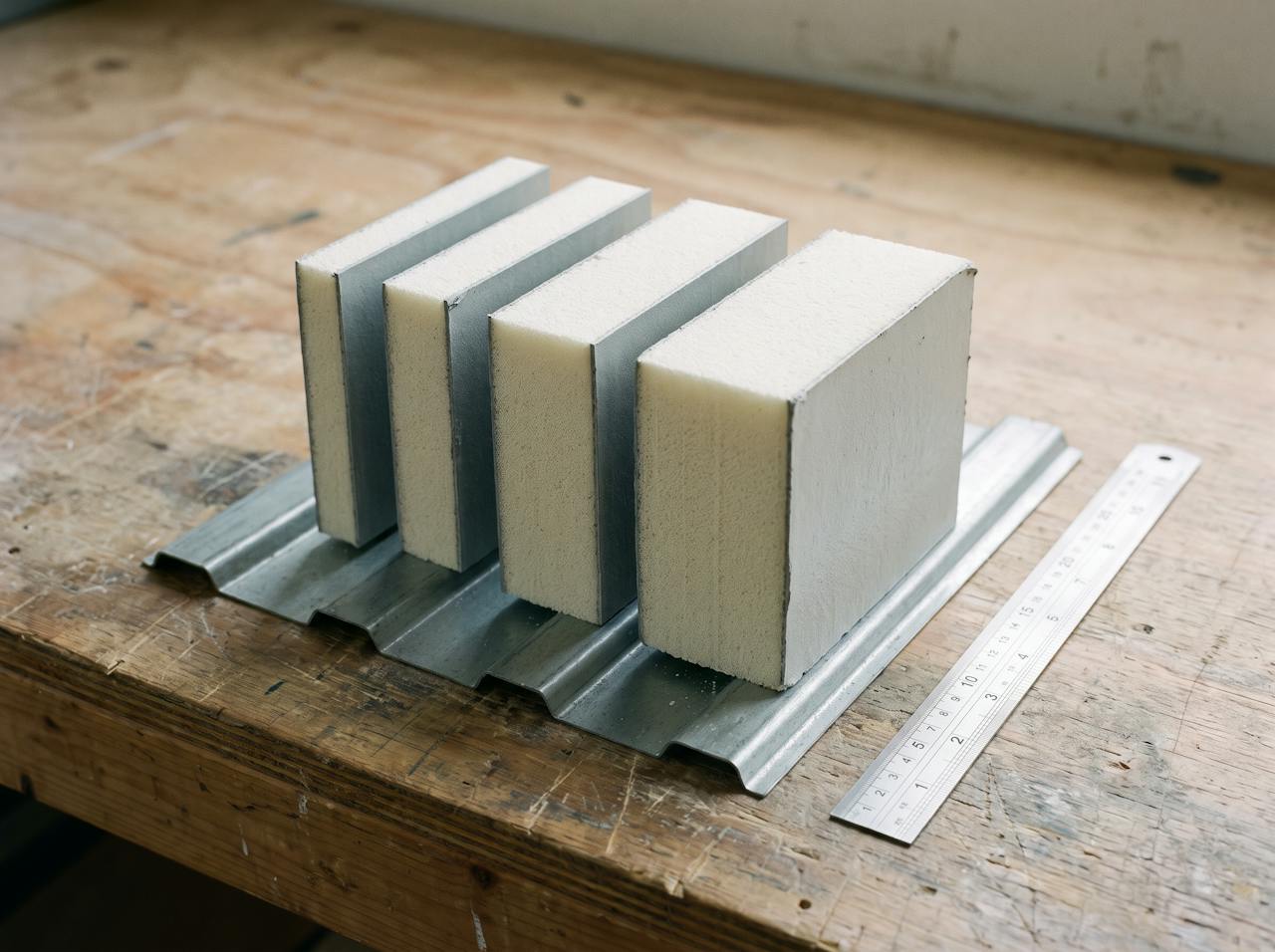
Four cut blocks of rigid closed-cell foam standing on a profiled steel sheet offcut on a workbench, sectioned to four different depths from thin to thick, with a steel rule beside them. Not sure which depth you need? Thickness and objective Four depths, what each one does, and what it does not claim. Read thickness and objective

06Checks and handover

A specification for the roof, with a record you can keep.

We check the roof condition, moisture, ventilation and required finish before agreeing the application. We use certified spray foam systems, which we apply as an accredited installer for the manufacturer. Your QA evidence pack records installed depth and coverage, giving the person responsible for the gym a clear record of the work.

What you get after the survey

Five things in writing, whether or not you go ahead.

  • A specificationWritten for this roof, from what we found, with its assumptions named.
  • The depth, and whySet by the objective and confirmed by calculation for the element as built, bridges included.
  • The condensation-risk positionWhether anything will condense inside the build-up, to BS EN ISO 13788 with the BS 5250 climate.
  • The fire positionWhether your fire strategy calls for a classified surface, and the coated or uncoated build-up that answers it. Confirmed against the strategy, never assumed.
  • A firm priceFor your roof, in writing. What moves it is explained in the cost guide.

Survey, or photographs?Send photographs of the roof

A firm figure starts with the building. Yours takes a minute to describe.Building, roof, what you are seeing, and how to reach you. A real figure for your building the same working day; nothing sent to anyone else.

Get my estimate

07Straight answers

Ask us the hard ones.

The questions facilities managers actually ask on the call, answered the way the specialist answers them. A question we have not answered? Ask it on the call. No obligation.

Does a gym roof need insulation?
In most commercial gyms, yes. A cold, uninsulated roof lets heat escape and gives warm, moist air a surface to condense on. If you see drips over the training floor or struggle to hold heat, start with the roof construction and its current insulation. We check whether condensation, a leak or both are causing the water.
How thick should gym roof insulation be?
The depth is typically 25 mm or 50 mm closed-cell, depending on the roof make-up, confirmed before we spray. A specified U-value can require a different depth, calculated for the complete roof construction.
How much does gym roof insulation cost?
25 mm closed-cell £16 to £25/m² + VAT; 50 mm closed-cell £22 to £35/m² + VAT. Send photographs or drawings for a free estimate.
Can the gym stay open during installation?
The spray area closes to members and staff. Other parts of the gym stay in use only where they can be safely separated. We agree phasing or out-of-hours work, protection for the equipment and the ventilation and re-entry arrangements before installation.
Will spray foam stop condensation on a gym roof?
Yes. Closed-cell spray foam stops roof condensation. The condensation guarantee applies where the problem is confirmed as condensation at survey, the depth is set by HOLVEM and there are no existing leaks. It does not replace ventilation or repair a leaking roof.

The next step

Get a free estimate for your project.No obligation.

If you already know the thickness or U-value you need, we price to it and confirm it is right; if not, we work it out with you. “Not sure” is a useful starting point.

Prefer to talk? Call 01932 506658 Enquiries received before 3pm on a working day are contacted the same day; after 3pm, the next working day. A commitment to contact, not a quotation, a survey or a price.

Rather write it all down first? Start a project brief · about five minutes, photographs welcome.

Same-day estimate · about a minute Get my estimate